Plan your journey
On this page, you will find practical inspiration and useful guidance to help you shape your stay — from when to visit and how to get around, to where to stay, what to experience, and how to make the most of Oslo in every season. Use it as your starting point for a trip that can be as relaxed, active, cultural or luxurious as you wish.

Plan Your Trip to Oslo
Oslo is a city made for effortless discovery — compact, cultured and beautifully framed by the fjord, forests and islands that define Norway’s capital. Whether you are arriving for a weekend break, a family holiday, a cultural city escape or a longer Scandinavian journey, planning your visit to Oslo is refreshingly simple. The city combines world-class museums, striking architecture, excellent restaurants, outdoor adventures and easy public transport, all within close reach.
Oslo is not a city you merely pass through. It is a place to explore slowly, with the fjord at your side, the forest never far away, and a rich urban life waiting around every corner.
Flights
✳︎
Train
✳︎
Bus
✳︎
Tram
✳︎
Ship
✳︎
Taxi
✳︎
Ferry
✳︎
Oslo Pass
✳︎
Booking
✳︎
Map
✳︎
Flights ✳︎ Train ✳︎ Bus ✳︎ Tram ✳︎ Ship ✳︎ Taxi ✳︎ Ferry ✳︎ Oslo Pass ✳︎ Booking ✳︎ Map ✳︎
Essential Travel Information for International Visitors to Oslo
-
How to Get to Oslo from Abroad
Oslo is easy to reach from abroad, but the best entry route depends on how you are travelling, where you are coming from, and how directly you want to get into the city. Some arrive fastest via Oslo Airport Gardermoen. Others travel by ferry to Southern Norway and continue by train or car. Many also enter Oslo over…
-
Passport, visa and entry rules
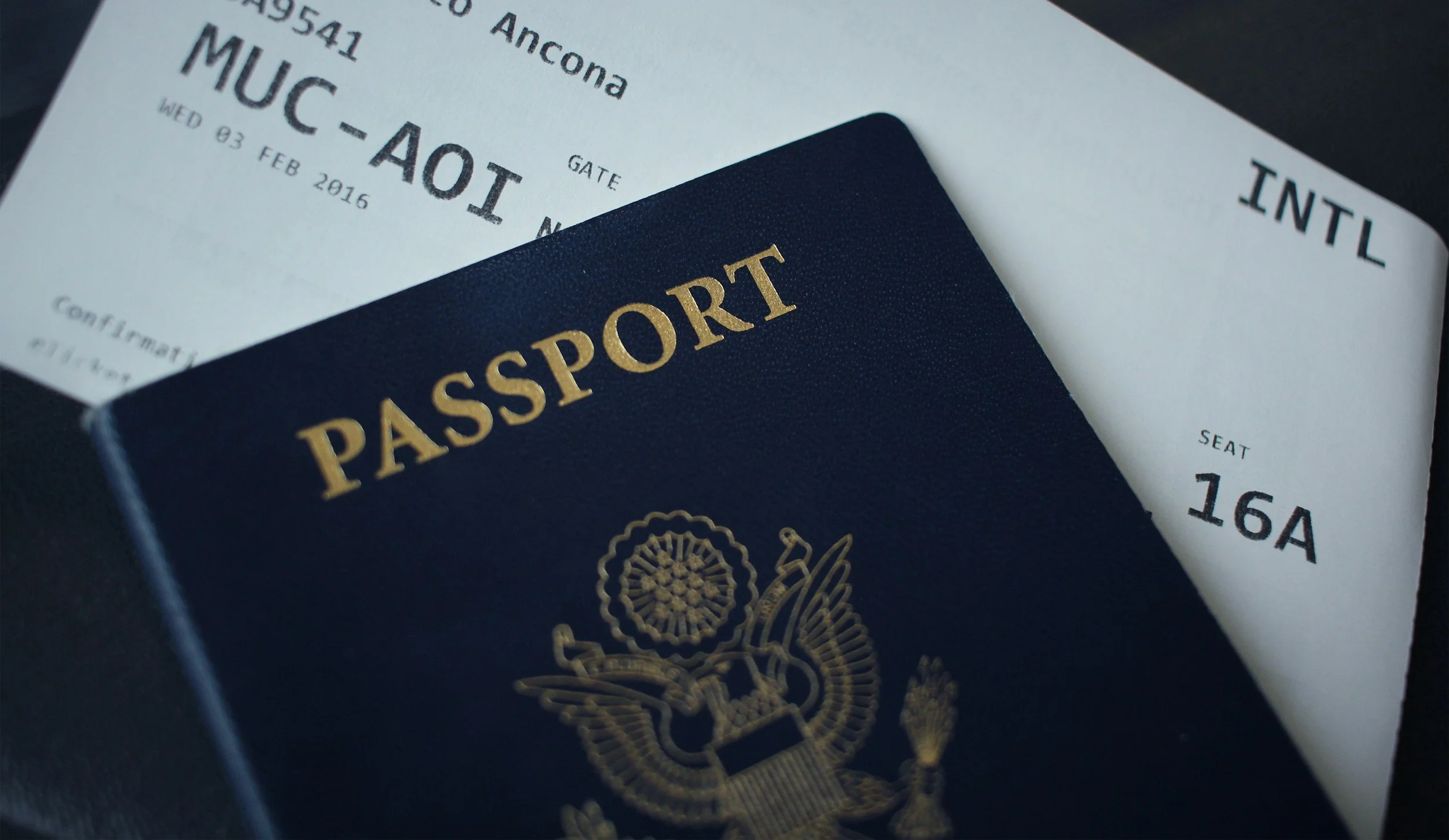
Norway is part of the Schengen area. For many international visitors, short leisure or business trips are possible for up to 90 days within a 180-day period, but the exact rules depend on nationality, residence status and the purpose of travel. Travellers who need a visitor visa must normally apply before…
-

Customs: what you can bring into Norway
Norwegian customs rules are taken seriously. As a tourist who is not resident in Norway, you may bring personal belongings temporarily into the country — such as clothes, a laptop, mobile phone, camera equipment and jewellery — without a specific value limit, provided you take them with you when…..
-

Currency, cards and payment culture
Norway uses the Norwegian krone, abbreviated NOK. Oslo is highly card-friendly: debit cards, credit cards and mobile payments such as Apple Pay and Google Pay are accepted almost everywhere. Foreign currency is rarely accepted, so use Norwegian kroner if paying in cash. Cash is still legal tender in Norway, and…..
-

Price level in Oslo: what to expect
Oslo is not a low-cost destination, but it is more balanced than many first-time visitors expect. Food, coffee, alcohol and restaurant meals are often more expensive than in much of Europe, especially for travellers arriving from Southern or Eastern Europe.
-
Surprisingly low rates for the level of quality you receive
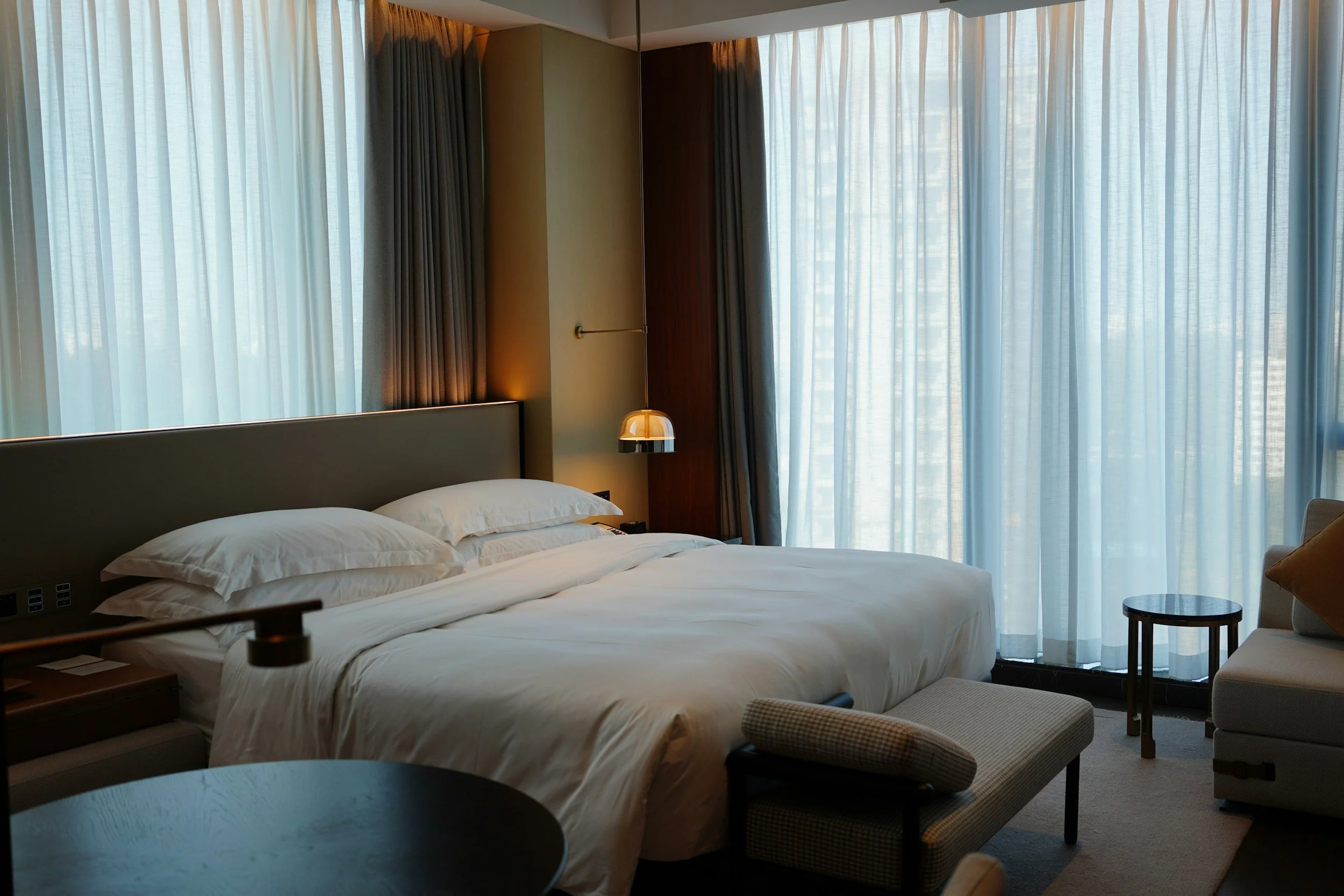
Overall price levels in Oslo: dining and drinks in the city tend to be expensive, but you may still come across some pleasant surprises; Accommodation, however, can offer surprisingly good value for a Nordic capital, particularly when booked in advance and outside major event dates. Many Oslo hotels are modern, centrally located and of a high standard, and a large breakfast buffet is often included in the room price. This is one of the quiet advantages of staying in Oslo: hotel breakfasts are frequently generous enough to make the total daily budget feel more reasonable.

What to pack for Oslo by season
Oslo is a city of four distinct seasons. The centre is urban and easy to navigate, but the fjord, islands, parks and forest areas are part of everyday Oslo life. Dressing well means dressing in layers: elegant enough for restaurants and museums, practical enough for rain, wind, snow or sudden sunshine.
-

Spring: March to May
Spring in Oslo can be beautiful but unpredictable. March may still feel wintry, April can change quickly, and May is often one of the most attractive months of the year, with longer days, outdoor cafés, flowering…..
-
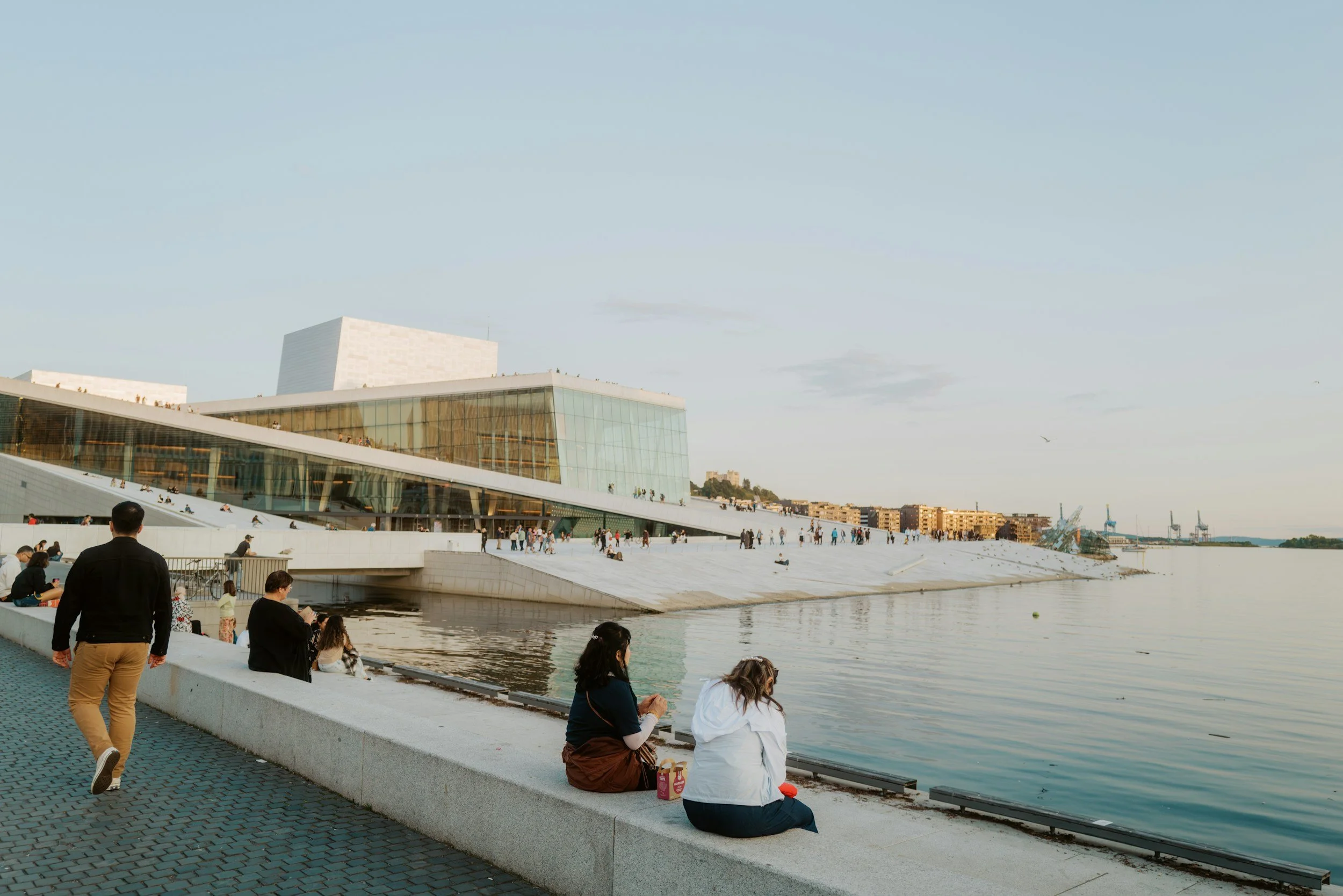
Summer: June to August
Summer in Oslo is mild, green and often warm, with long evenings and a relaxed outdoor culture. Temperatures in Eastern Norway can reach pleasant summer levels, but rain and cooler days are still possible.
-
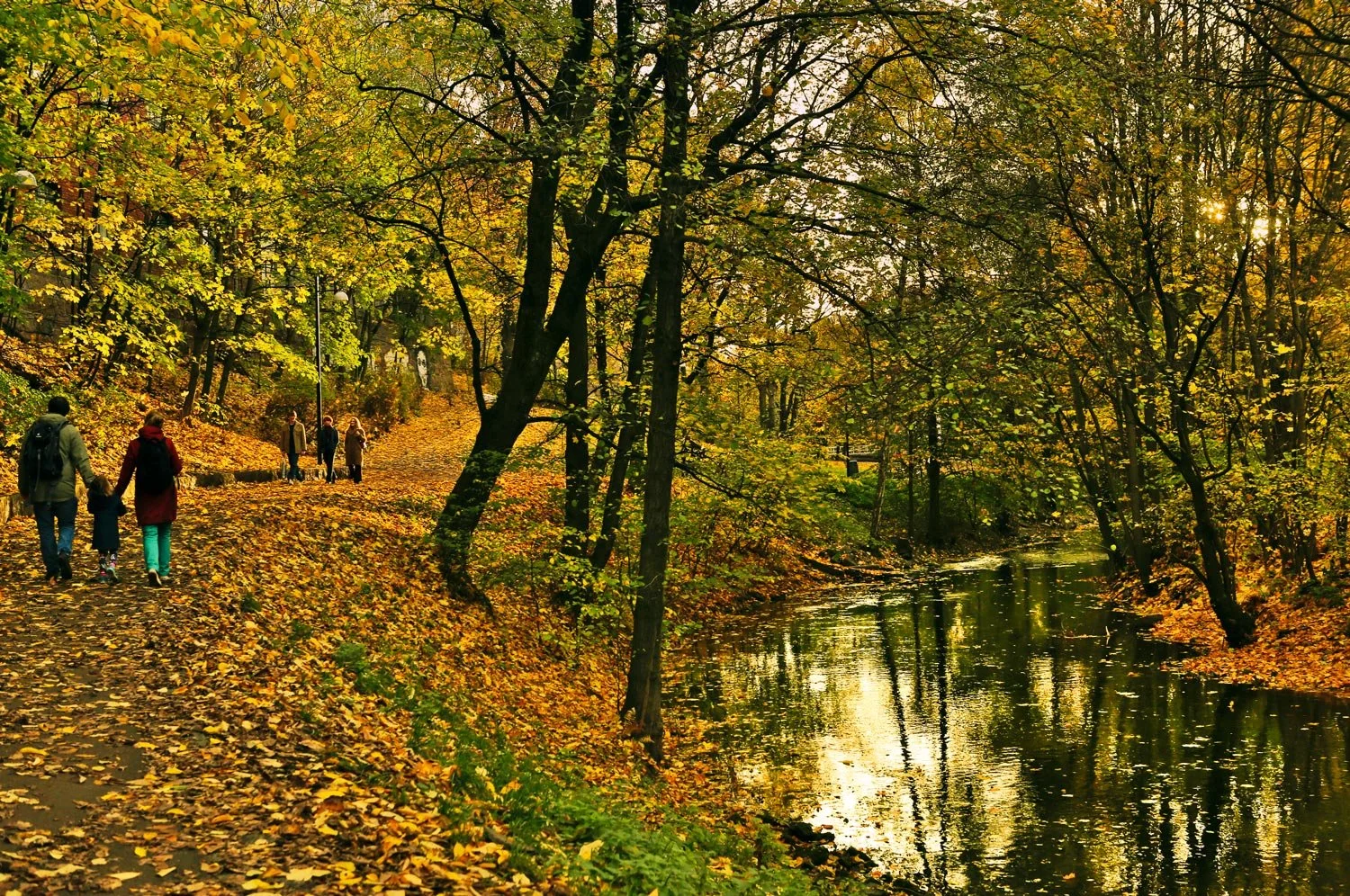
Autumn: September to November
Autumn is one of Oslo’s most atmospheric seasons. September can be mild and golden; October brings colour to the parks and forests; November is darker, wetter and closer….
-

Winter: December to February
Winter in Oslo is part of the city’s charm. Snow is possible, temperatures may fall below freezing, and the forest areas above the city become popular for skiing, sledging and….