Bogstad Gård
Oslo’s Countryside Manor by the Lake
Discover Bogstad Gård in Oslo, a historic manor by Bogstadvannet with elegant interiors, romantic parkland, farm animals, Café Grevinnen, walking trails and one of the capital’s most atmospheric countryside experiences.
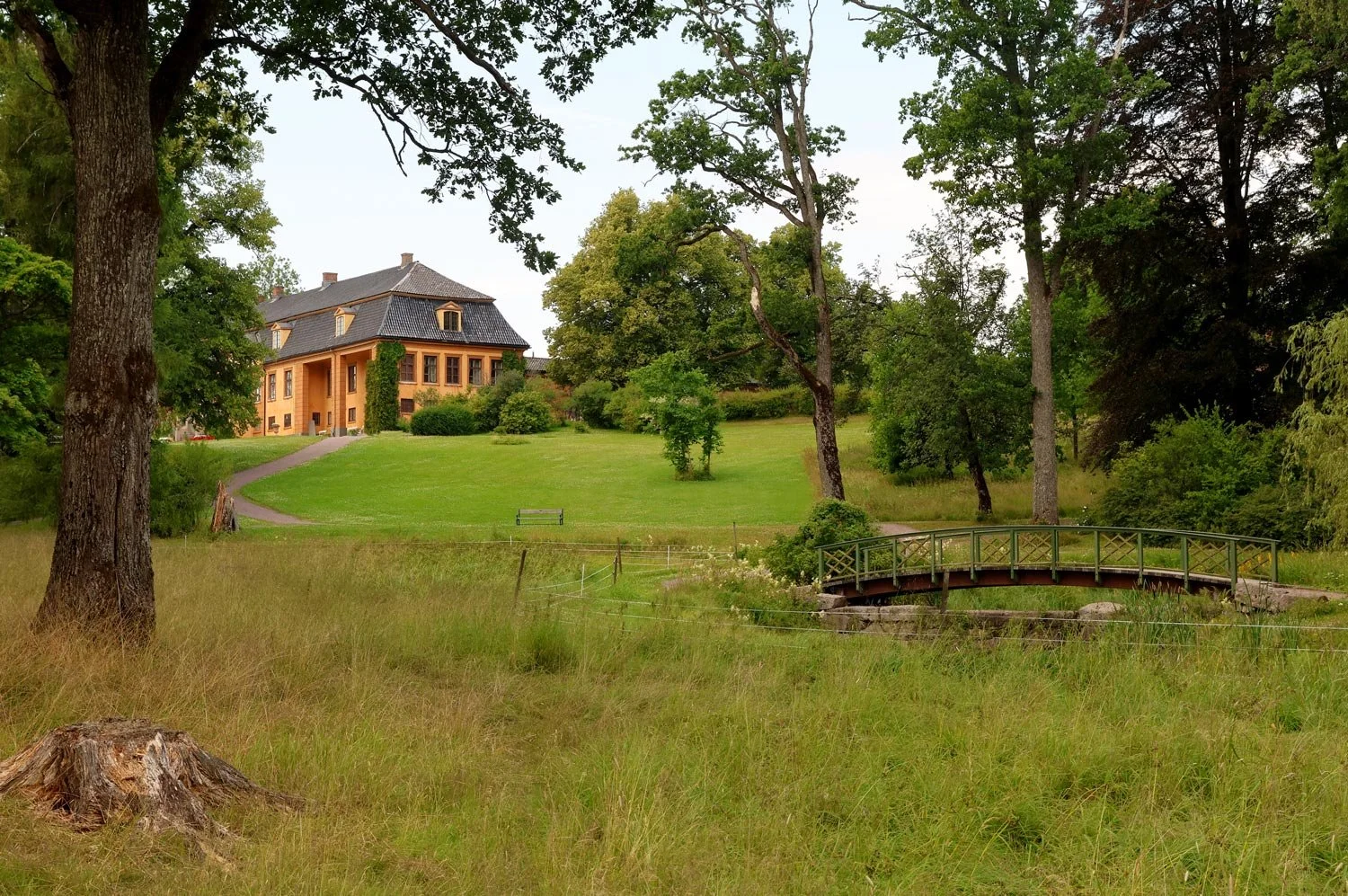
Bogstad Gård is one of Oslo’s most graceful surprises.
Set by the water at Bogstadvannet, on the western edge of the city where Oslo begins to soften into forest, fields and valley landscape, Bogstad feels far removed from the rush of the capital. Yet it is still unmistakably part of Oslo — a place where urban culture, national history, rural life and outdoor recreation meet in one unusually complete destination.
This is not simply an old house to visit. Bogstad Gård is a manor, a museum, a farm, a park, a lakeside walk, a family outing, a cultural landscape and a window into Norway’s social and political past. It is a place of elegant rooms and working barns, grand history and everyday pleasures, formal gardens and muddy paths, chandeliers and cows, heritage and fresh air.
Many visitors come to Oslo for the fjord, museums, MUNCH, the Opera House, Vigeland Park or Holmenkollen. Bogstad belongs to a quieter Oslo itinerary — one that rewards travellers who want depth, atmosphere and a sense of place. It is ideal for a slow half-day, a family-friendly weekend visit, a heritage-focused excursion or a peaceful escape after several days in the city centre.
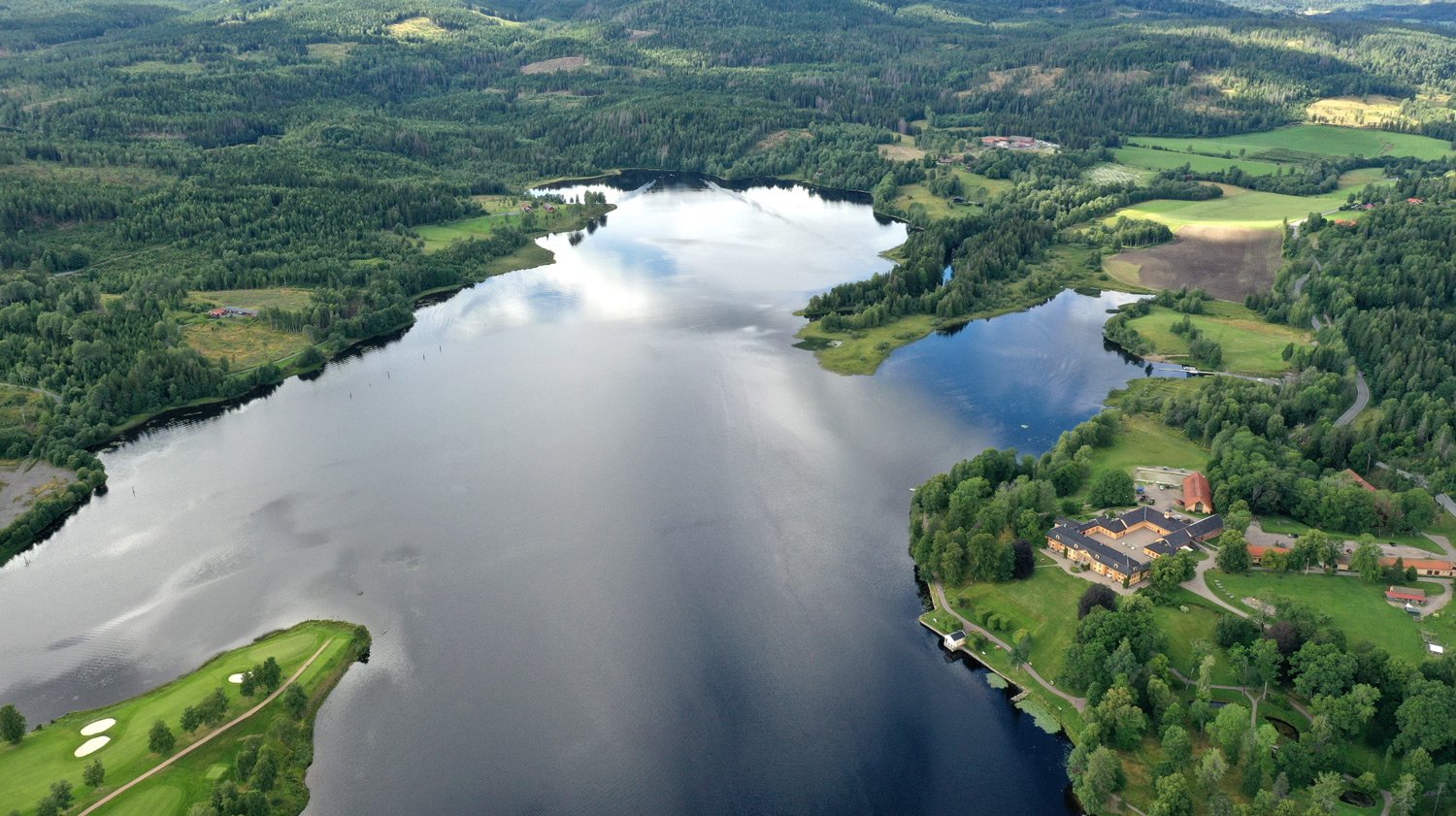
At Bogstad, Oslo changes character. The skyline disappears. The pace drops. The lake opens in front of you. Mature trees frame the manor. Farm buildings enclose the courtyard. Paths lead through parkland and towards Bogstadvannet. You begin to understand that Oslo is not only a fjord city and a forest city, but also a city with deep rural and aristocratic layers still visible in the landscape.
Bogstad Gård is one of the best places to experience that older, greener Oslo.
Why Visit Bogstad Gård?
Bogstad Gård is worth visiting because it offers several experiences in one carefully preserved setting.
You can join a guided tour through the historic manor house and see interiors that speak of wealth, politics, taste and domestic life in the 18th and 19th centuries. You can walk through one of Norway’s most atmospheric historic parks, shaped by changing garden ideals over generations. You can bring children to see farm animals at the visitor farm. You can sit down for coffee, lunch or cake at Café Grevinnen. You can continue down to Bogstadvannet for a walk, a picnic or, in summer, a swim at the nearby bathing areas.
The estate is also deeply connected to Norwegian history. Bogstad was associated with Peder Anker, one of the most important political figures in Norway around 1814 and the first Norwegian prime minister in Stockholm during the union with Sweden. The manor was not only a private residence; it was a centre of social, political and economic influence.
That combination makes Bogstad special. It is beautiful, but not merely decorative. It is family-friendly, but not shallow. It is historic, but not frozen. It still feels like a living place.
The Story of Bogstad Gård
The history of Bogstad reaches far beyond the elegant manor house visitors see today.
The estate sits in Sørkedalen, by Bogstadvannet, in a landscape that has long been connected to farming, forestry, water routes and the wider economy of the region. Over the centuries, Bogstad developed from agricultural land into a major estate linked to timber, ironworks, sawmills, transport, landownership and political power.
The name most strongly associated with Bogstad is Peder Anker. He acquired Bogstad in the 18th century and transformed it into both a family home and a place of influence. Anker was a landowner, businessman and politician, and his world stretched far beyond the manor itself. Through forestry, industry and estate management, Bogstad became part of a much larger economic system involving workers, tenant farmers, craftsmen, transport routes, ironworks and timber.
The estate also became a social and political meeting place. Around the dramatic years of 1814, when Norway’s constitutional and political future was being reshaped, Bogstad was connected to some of the country’s most important figures. Peder Anker became Norway’s first prime minister in Stockholm, and Bogstad’s history is closely tied to the upper circles of Norwegian public life at the time.
Yet Bogstad’s importance is not only about grand names. One of the most compelling aspects of the estate is the way it reveals a whole society in miniature. The manor house tells one story: that of owners, guests, furniture, paintings, formal dinners and political conversation. The farm buildings, workers’ homes, park, fields and surrounding cultural landscape tell another: that of labour, agriculture, service, seasonal routines and the many people whose lives made the estate function.
A visit to Bogstad is therefore not only a visit to a fine house. It is a visit to an entire historical environment.
The Manor House: Rooms, Interiors and Guided Tours
The main building at Bogstad is the heart of the estate.
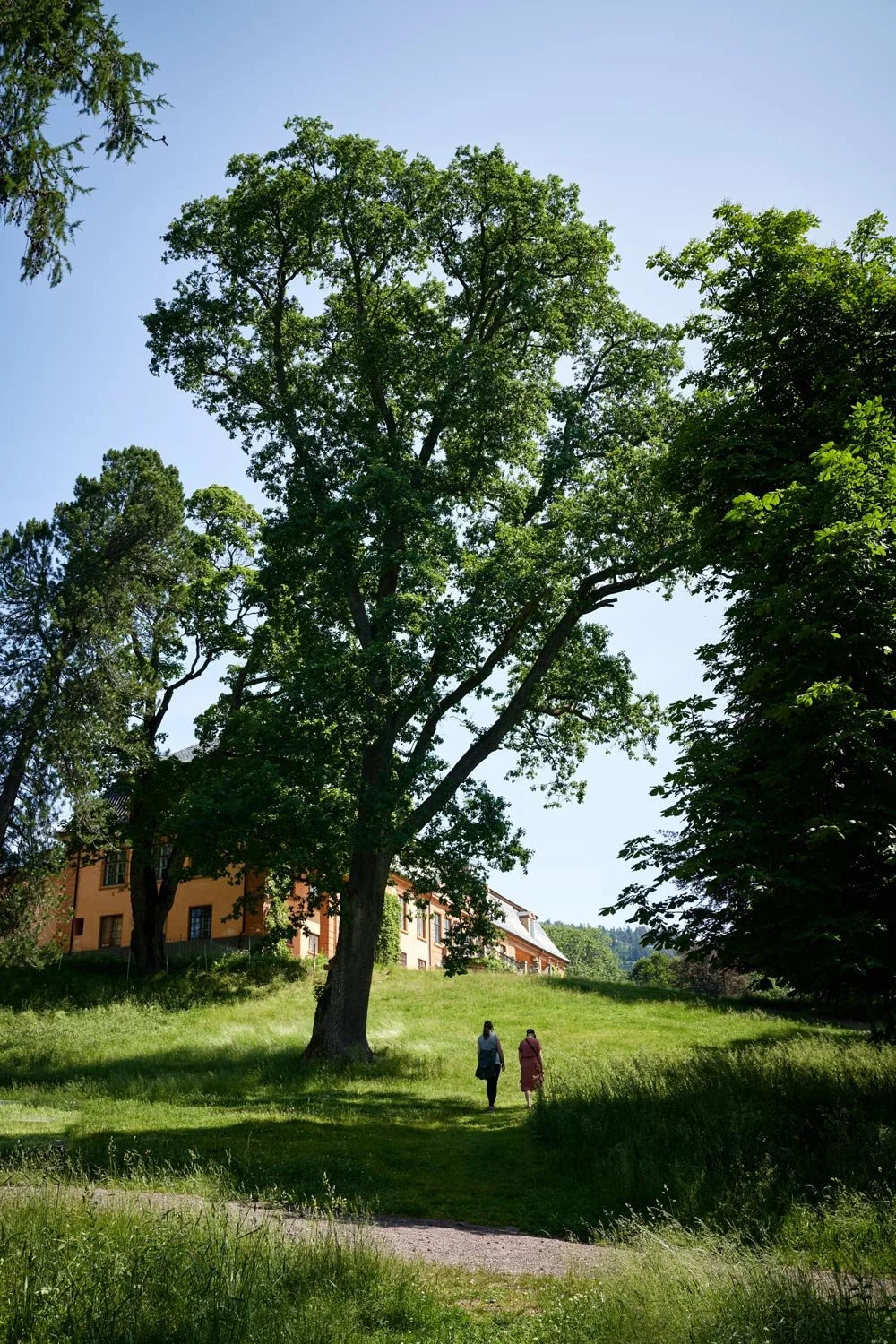
From the outside, the manor has a quiet authority. It does not overwhelm with palace-like scale. Instead, it impresses through proportion, setting and atmosphere. Its yellow façade, red-tiled roof, courtyard wings and position above the landscape give it the composed elegance of a country estate that has grown over time.
Inside, the experience becomes more intimate. Bogstad’s rooms are furnished with historic objects, paintings, chandeliers, furniture and household items that create a rare sense of continuity. This is not a museum assembled from unrelated pieces. It feels like a preserved home — a place where objects belong to rooms, rooms belong to family history, and family history belongs to national history.
Because the interiors are fragile and historically significant, the manor house is normally visited by guided tour only. This is a strength rather than a limitation. A guided visit helps make sense of the layers: the architecture, the families, the political connections, the estate economy, the role of servants and workers, and the changing tastes visible in the rooms.
For visitors interested in Norwegian history, this is the essential experience at Bogstad. The park is beautiful, the café is charming and the farm is lovely for families, but the guided manor tour gives the place its depth.
What to expect on a guided tour
A guided tour typically introduces the manor as a lived-in historic home. You move through rooms that reflect upper-class domestic life from the late 18th and 19th centuries, with attention to furniture, art, decoration, family stories and the estate’s role in society.
The tone is often more personal than in a large museum. You are not walking through anonymous galleries. You are entering rooms shaped by generations of ownership, inheritance, memory and preservation.
Visitors who do not speak Norwegian should check in advance whether English-language tours are available or can be arranged. Regular tours are often in Norwegian, while tours in other languages may be possible by request.
The Park and Gardens: A Romantic Landscape in Oslo
Bogstad’s park is one of the great reasons to visit, even if you do not join a house tour.
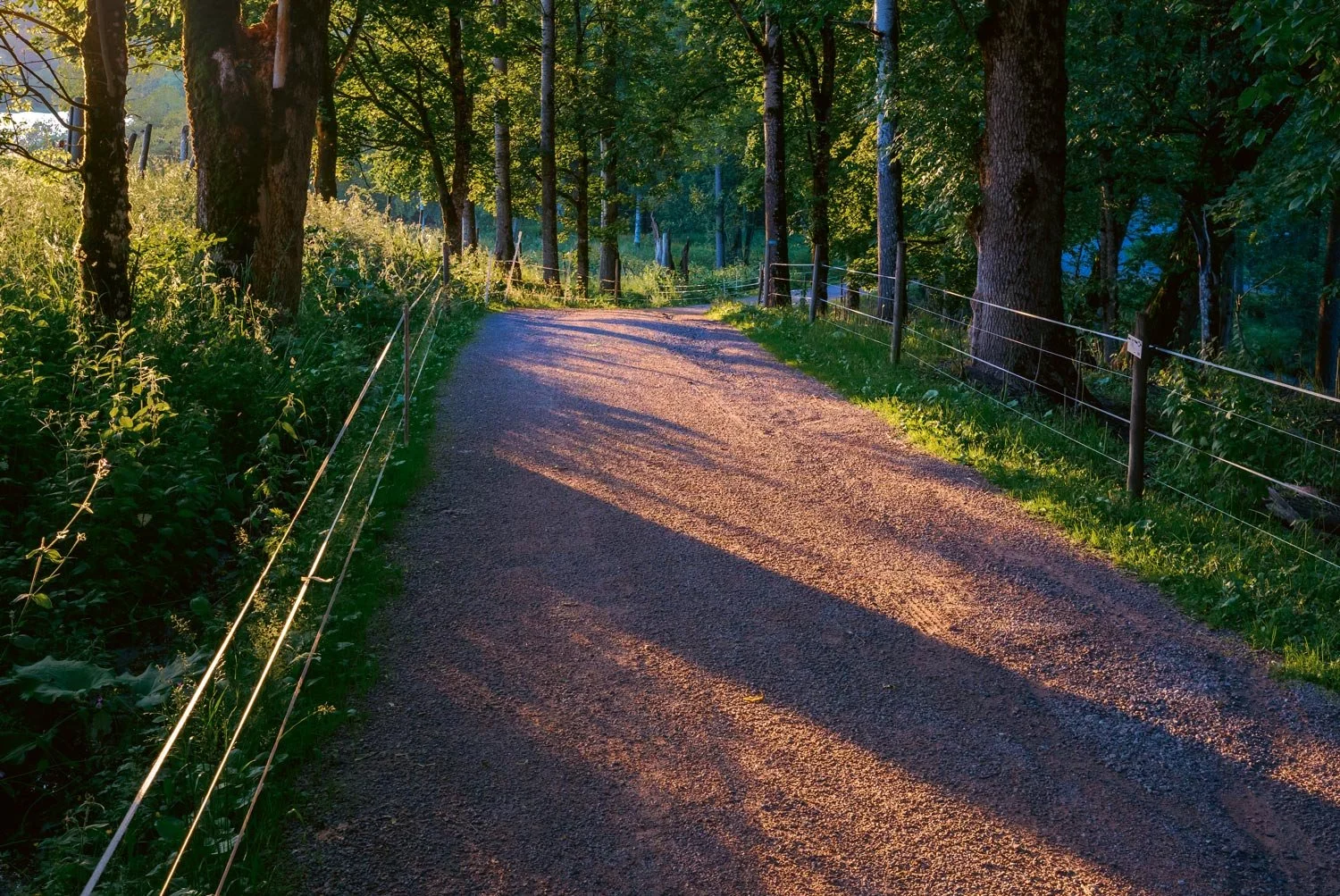
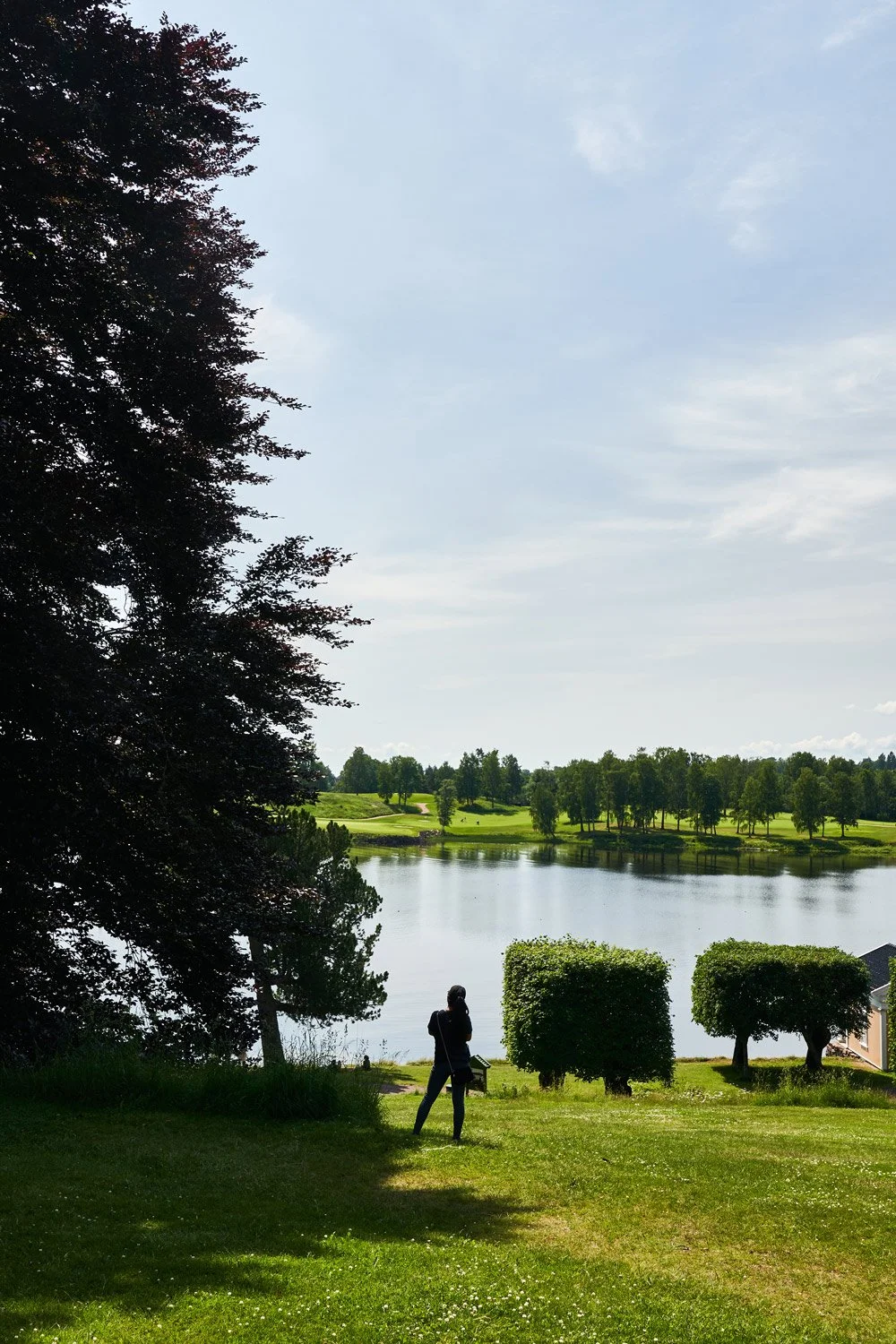
The estate sits beautifully between manor, lake, fields and forest. The parkland has a romantic quality, with open lawns, old trees, water features, garden paths, bridges and views towards Bogstadvannet. It is a landscape designed for movement and perspective: a place to walk slowly, look back at the house, continue towards the water, and notice how the estate is staged within nature.
Historically, Bogstad’s gardens developed over several generations. Earlier formal garden ideas gradually gave way to a more naturalistic landscape style inspired by English garden traditions. This makes the park feel less rigid than a formal palace garden. It has structure, but also softness. It is composed, but not stiff.
In spring, Bogstad is fresh and green. In summer, it becomes a full countryside escape, with lawns, flowers, shade and lake light. In autumn, the old trees give the estate a golden, almost cinematic atmosphere. In winter, the manor and park take on a quieter, more Nordic character, especially when snow settles on the fields and roofs.
This is one of the best places in Oslo for visitors who enjoy historic landscapes but prefer them without crowds. Bogstad is elegant, but not theatrical. Its charm lies in restraint.
Bogstad Visitor Farm: A Family-Friendly Oslo Experience
Bogstad is not only a manor museum. It is also a place where children can meet farm animals and experience a more tangible side of rural life.
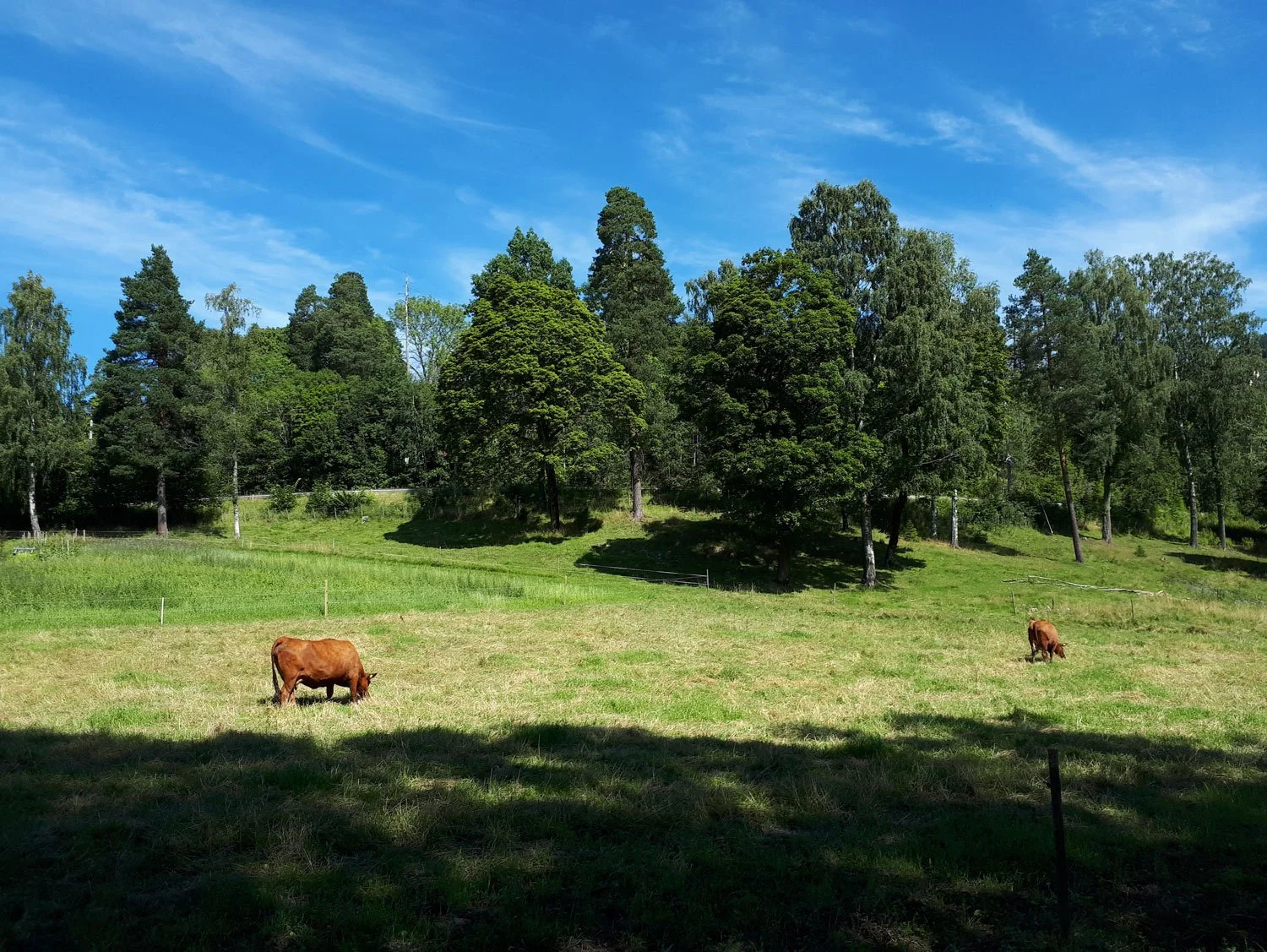
The visitor farm is one of Bogstad’s strongest family attractions. Depending on season and opening arrangements, visitors may see animals such as cows, sheep, pigs, goats, chickens and rabbits. For children, this changes the entire character of the visit. Bogstad becomes not only “a historic place”, but a living farm environment with sounds, smells, animals and activity.
This makes Bogstad especially good for families who want an outing that balances culture and play. Adults can enjoy the park, manor history and café, while children have space, animals and outdoor surroundings.
The visitor farm is also valuable because it connects Bogstad’s grand history with the everyday agricultural reality behind it. Estates like Bogstad were not sustained by elegant rooms alone. They depended on land, animals, crops, labour, storage, transport and seasonal work. The farm environment helps visitors understand this more clearly.
Families should check the current opening arrangements before travelling, especially outside the main visitor season or when the animals are grazing in the fields.
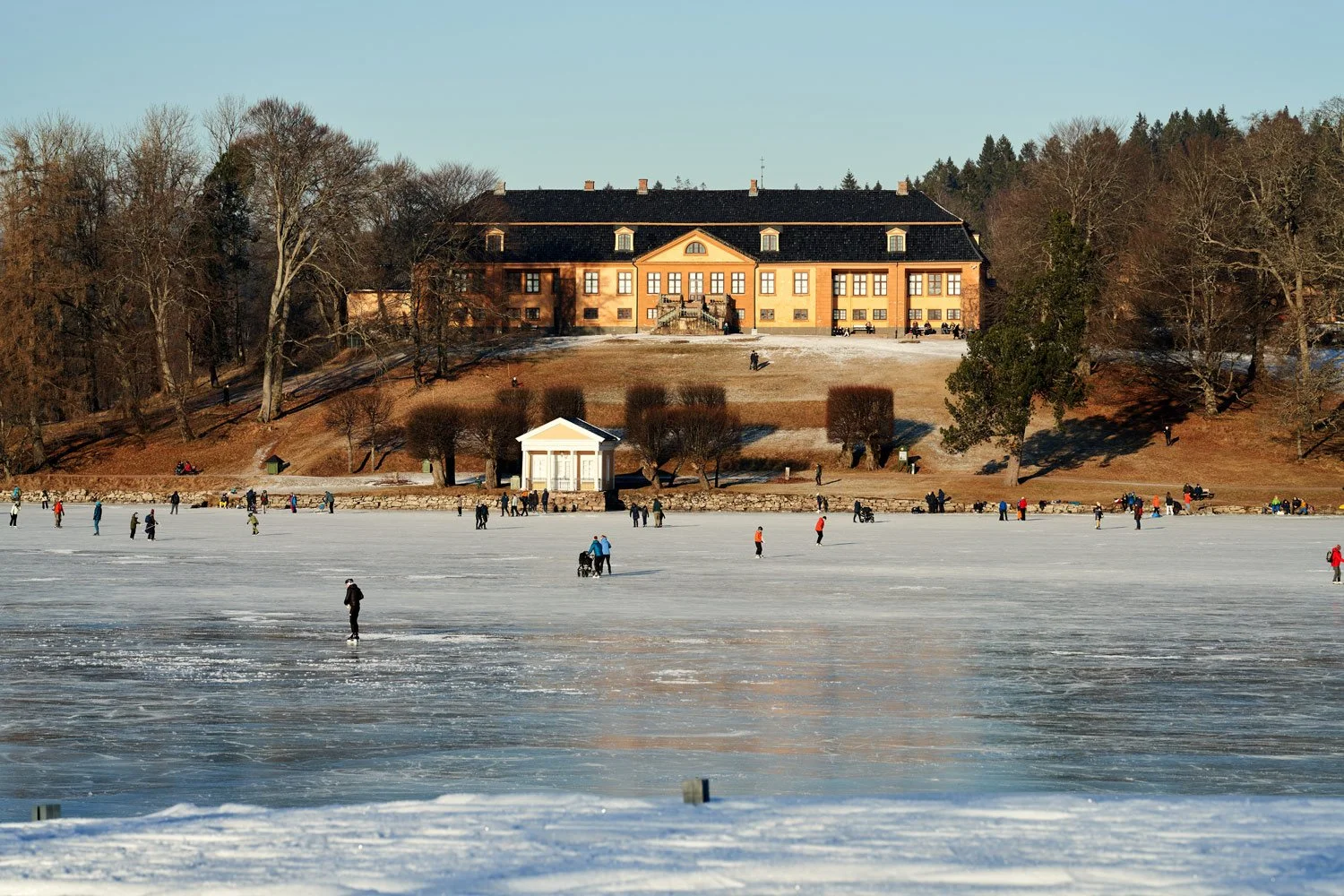
A winter’s day at Bogstadvannet. A popular destination for families throughout the year, the lake often freezes sufficiently during winter to provide ideal conditions for ice skating in a beautiful natural setting.
Café Grevinnen: Coffee, Cakes and a Historic Setting
A visit to Bogstad should include time at Café Grevinnen.
Located in the old brewhouse, the café adds warmth and hospitality to the estate experience. It is the kind of place that suits Bogstad perfectly: informal, atmospheric and rooted in the historic setting. On cool days, the interior feels especially inviting. On brighter days, a café stop pairs beautifully with a walk in the park or down towards the lake.
Expect a relaxed selection of coffee, tea, cold drinks, sandwiches, baked goods and cakes. This is not a place to rush through. The café works best as part of a slow visit — after the guided tour, before the farm, or as a reward after a walk by Bogstadvannet.
For many visitors, Café Grevinnen is what turns Bogstad from a sightseeing stop into a half-day destination. It gives the visit a natural pause.
Bogstadvannet: The Lake Beside the Manor
Bogstad’s setting by Bogstadvannet is essential to its appeal.
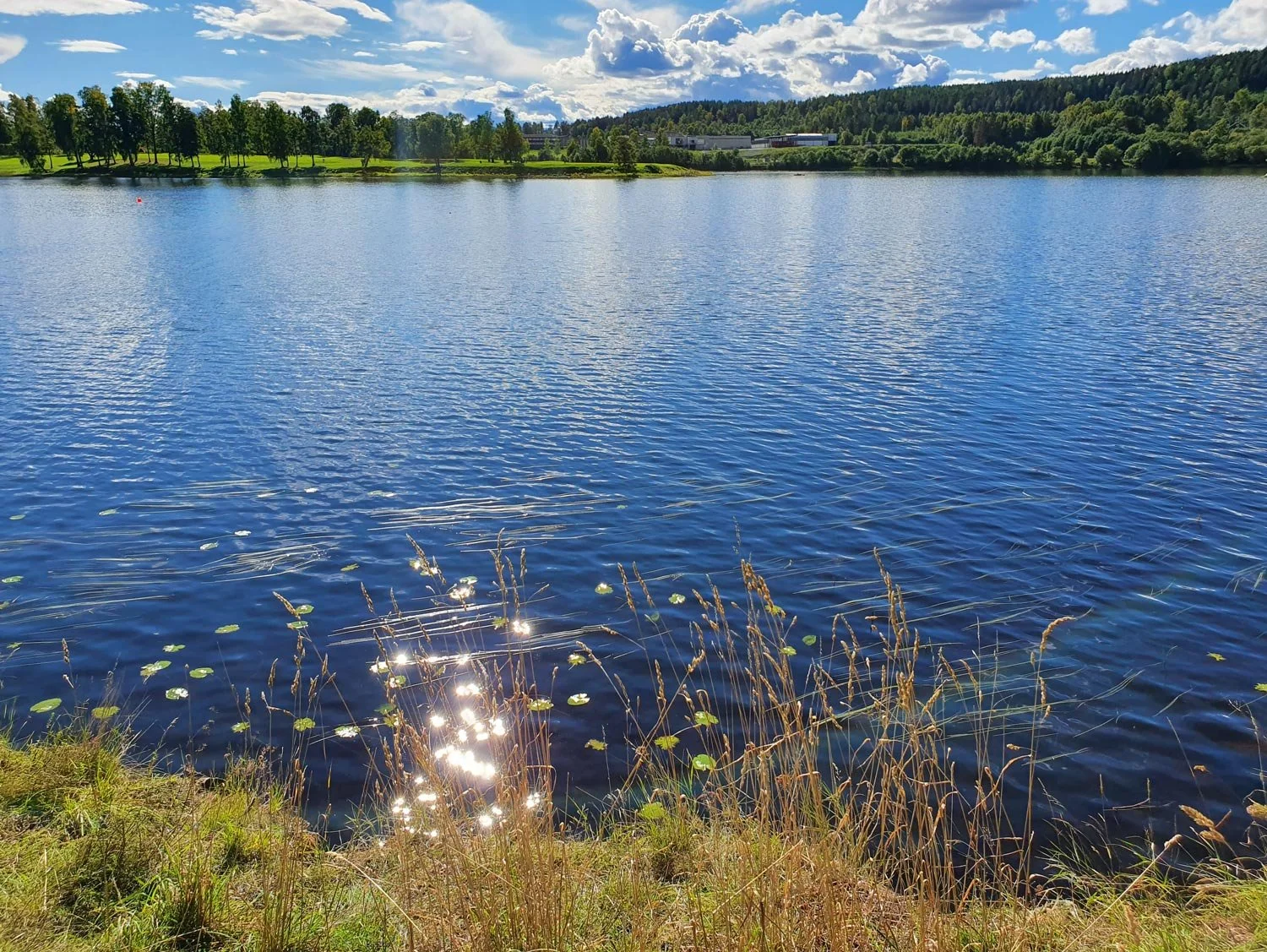
The lake lies on the border between Oslo and Bærum and gives the area a sense of openness. From the estate, paths and views draw you naturally towards the water. In summer, the lake area becomes a destination for walking, picnicking, swimming and slow outdoor time. In winter, when conditions allow, the surrounding landscape becomes part of Oslo’s wider cold-season outdoor culture.
Bogstadvannet is also an excellent reminder that Bogstad is not isolated from nature. It sits where cultivated landscape, water and forest meet. This makes it easy to combine a cultural visit with a more active or relaxed outdoor experience.
Swimming near Bogstad
In warm weather, visitors can combine Bogstad Gård with a trip to the nearby bathing areas at Bogstadvannet. The lake has beach areas, grassy sections and facilities in the wider area, making it a good summer addition to a manor visit.
A strong summer plan is to visit the manor and café first, then continue to the lake for a picnic or swim. This is especially good for families, couples or travellers who want a quieter alternative to Oslo’s fjord beaches.
How to Experience Bogstad Gård as a Journey
The best way to visit Bogstad is not to treat it as a single attraction. Think of it as a route.
Start with the manor courtyard and main buildings. Join a guided tour if available. Walk through the park and gardens. Visit the farm animals if travelling with children. Stop at Café Grevinnen. Then continue towards Bogstadvannet for the lake, beach area or walking paths.
This creates a natural rhythm: history, landscape, farm life, café, water.
Bogstad is particularly good because nothing feels disconnected. The house explains the estate. The farm explains the work behind it. The park explains taste and status. The lake explains location. The café gives the day softness. Together, they make Bogstad one of Oslo’s most complete heritage experiences.
Suggested Itineraries for Bogstad Gård
The Classic Half-Day Visit
Begin at the main courtyard and take time to orient yourself. Join a guided tour of the manor house, then walk through the historic park and gardens. Stop at Café Grevinnen for coffee, lunch or cake, and finish with a gentle walk towards Bogstadvannet.
This is the best itinerary for first-time visitors.
The Family Visit
Arrive late morning or early afternoon, depending on opening hours. Visit the animals at the visitor farm, explore the courtyard and park, let children enjoy the outdoor space, then stop at Café Grevinnen. If the weather is warm, continue towards the lake or nearby beach area.
This is one of the most relaxed family-friendly outings in Oslo.
The Summer Countryside Day
Combine Bogstad Gård with Bogstadvannet. Start with the manor, park and café, then spend the afternoon by the lake. Bring swimwear, a picnic blanket and something warm for later. This route gives you a rare Oslo combination: history, gardens, animals, freshwater swimming and forest-edge atmosphere.
The Heritage and History Visit
Focus on the guided manor tour and the estate’s wider cultural landscape. Pay attention to the relationship between the main house, farm buildings, workers’ spaces, parkland and lake. This is the best version for visitors interested in Norwegian history, architecture, social class and the period around 1814.
The Slow Sunday Outing
Visit without an ambitious plan. Walk, have coffee, see the animals if open, look at the lake, sit in the park and let the estate set the tempo. Bogstad is ideal for this kind of visit because its atmosphere is as important as any individual sight.
What to See at Bogstad Gård
The Manor House
The main attraction for history lovers. The interiors show upper-class domestic life, family history and the cultural world of the estate’s owners.
The Courtyard
The enclosed farmyard gives Bogstad much of its character. It shows the manor not only as a residence, but as a working estate.
The Historic Park
A romantic landscape of paths, lawns, trees, bridges and views. One of the most beautiful reasons to visit Bogstad in any season.
The Visitor Farm
A favourite with families, especially when the animals are accessible. A warm, tangible counterpoint to the formal manor house.
Café Grevinnen
A charming café in the old brewhouse, ideal for coffee, sandwiches, cakes and a slow pause.
Bogstadvannet
The lake beside the estate, perfect for walking, views, summer picnics and nearby swimming.
Seasonal Events
Bogstad often hosts seasonal activities and special event days, including family-oriented and holiday experiences. These can make the estate especially atmospheric, but dates and programmes vary, so check the current calendar before visiting.
Best Time to Visit Bogstad Gård
Bogstad is worth visiting throughout the year, but the experience changes with the seasons.
Spring
Spring brings fresh greenery, brighter days and a sense of renewal to the park and farm. It is a lovely time for garden walks and family visits.
Summer
Summer is the most complete season. The park is green, the lake is inviting, the café visit can be paired with outdoor time, and Bogstadvannet becomes part of the experience. This is the best season for combining Bogstad with swimming, picnics and long walks.
Autumn
Autumn may be the most atmospheric season for the park. The mature trees, historic buildings and soft light give Bogstad a rich, reflective mood. It is a beautiful time for photography and slow walks.
Winter
Winter gives Bogstad a quieter charm. Snow, candles, seasonal events and the old farm environment can make the estate feel especially Nordic. Opening hours and access may vary more in winter, so planning ahead is important.
Practical Information for Visitors
Location
Bogstad Gård is located at Sørkedalsveien 450 in western Oslo, by Bogstadvannet and close to the entrance to Sørkedalen.
Getting there by public transport
A common public transport route is to take the metro towards Røa and continue by bus towards Sørkedalen, getting off near Bogstad Gård. Routes and frequency can vary, so check Ruter before travelling.
Getting there by car
Bogstad is accessible by car from western Oslo and the Røa area. Parking is available in the area, but visitors should check current parking information before arrival, especially during busy events or summer weekends.
Opening hours
Opening hours vary by season and by part of the estate. The manor house is normally visited by guided tour only. The café, shop and visitor farm may have separate hours. Always check the official Bogstad Gård website before travelling.
Tickets
There is usually free access to the outdoor areas, while guided tours of the manor house require a ticket. Special events may have separate pricing.
Accessibility
The outdoor areas include paths, courtyards and historic terrain, which may vary in accessibility depending on weather and season. Visitors with specific access needs should check details in advance.
Recommended visit length
Allow at least two hours for a short visit with café and park. Allow three to four hours if you want a guided tour, farm visit, café stop and walk by the lake. In summer, Bogstad can easily become a half-day excursion.
Who Bogstad Gård Is Best For
Families
Bogstad is excellent for families because it combines animals, outdoor space, café facilities and a sense of discovery. Children do not need to be silent in a gallery all day; they can move between farm, park and lake.
History lovers
The manor house and estate history make Bogstad one of Oslo’s strongest destinations for those interested in Norwegian political, social and domestic history.
Garden and landscape enthusiasts
The park is a major attraction in itself, especially for those interested in historic garden design and romantic landscapes.
Couples
Bogstad works beautifully as a quiet, elegant outing: a walk, a guided tour, coffee and a lakeside pause.
Slow travellers
This is a destination for visitors who like atmosphere, context and a sense of place more than crowded attractions.
Oslo repeat visitors
If you have already seen the Opera House, MUNCH, Vigeland Park, Bygdøy and Holmenkollen, Bogstad offers a different and rewarding layer of the city.
What to Combine with Bogstad Gård
Bogstadvannet
The most natural combination. Add a walk, picnic or swim by the lake.
Sørkedalen
Continue further into Sørkedalen for a stronger countryside and forest-edge experience. This works well for visitors with a car or those planning a longer outdoor day.
Holmenkollen
Bogstad and Holmenkollen can be combined for a west Oslo heritage-and-viewpoint route. Visit Bogstad for history and parkland, then continue towards Holmenkollen for panoramic views and forest atmosphere.
Røa and western Oslo
For a quieter local route, combine Bogstad with cafés, neighbourhood walks or nearby green areas in western Oslo.
Nordmarka
Bogstad sits close to the threshold of Oslo’s forest culture. Active visitors can pair the estate with a longer walk or outdoor excursion towards the Marka landscape.
A Premium Visitor Route: Bogstad Gård in Half a Day
If you want the most rewarding version of Bogstad, follow this route.
Arrive in the late morning and begin in the courtyard. Take in the shape of the estate before entering anything: the main building, the side wings, the farm structures and the sense of an enclosed working world. If a guided tour is available, make that your first anchor. The interiors give meaning to everything else you will see outside.
After the tour, walk into the park. Move slowly. Look at how the manor sits above the land, how paths lead through the landscape, how the lake appears and disappears through trees. This is where Bogstad becomes more than a house museum.
Then stop at Café Grevinnen. Order coffee, something baked, or a simple lunch. Let the visit breathe.
If you are travelling with children, continue to the visitor farm. If you are visiting in summer, walk towards Bogstadvannet and extend the day by the water. If you are visiting in autumn, stay in the park and enjoy the colours. If you are visiting in winter, look for seasonal events and enjoy the quieter atmosphere.
This is the best way to experience Bogstad: not as a quick stop, but as a layered journey through manor life, landscape, farm culture and lakeside Oslo.
Photography Tips
Bogstad is highly photogenic, but in a subtle way.
The best photographs often come from stepping back rather than moving close. Capture the manor framed by trees, the bridge and water features in the park, the courtyard buildings, the view towards Bogstadvannet and the contrast between formal architecture and rural surroundings.
Early morning and late afternoon usually give the softest light. Autumn is especially beautiful for colour, while winter can create a quiet, storybook atmosphere. In summer, the challenge is not finding beauty, but avoiding harsh midday light.
For respectful photography, remember that Bogstad is a protected heritage environment. Follow signs, avoid disturbing animals, and do not enter restricted areas.
Why Bogstad Gård Matters
Bogstad Gård matters because it preserves more than buildings.
It preserves a landscape of power, labour, taste, politics, agriculture and everyday life. It helps visitors understand how wealth and landownership shaped Norwegian society. It connects Oslo to forests, farming, industry and national politics. It shows how a private home could also be an economic centre, a political meeting place and a workplace for many people across social levels.
At the same time, Bogstad remains accessible and human. You can learn about national history, then drink coffee in the old brewhouse. You can admire chandeliers, then watch children greet goats or rabbits. You can walk through a historic park, then continue to a lake where people swim and picnic.
That is what makes Bogstad so compelling. It does not separate history from life. It lets them exist together.
Final Thoughts: The Quiet Elegance of Bogstad
Bogstad Gård is one of Oslo’s finest slow-travel experiences.
It does not shout for attention. It does not compete with the drama of the Opera House, the fame of MUNCH or the panoramic spectacle of Holmenkollen. Its appeal is gentler and, in many ways, deeper.
Here, Oslo becomes pastoral. History becomes domestic. Landscape becomes memory. A manor house becomes a museum, a farm becomes a family outing, a café becomes a pause, and a lake turns a cultural visit into a summer day.
For travellers who want to understand Oslo beyond the obvious, Bogstad Gård is essential. It is a reminder that the city’s identity is not only built on fjord views, modern architecture and urban culture, but also on estates, forests, farms, waterways and the old routes of power and labour.
Visit Bogstad slowly. Walk the grounds. Join the tour. Notice the details. Stay for coffee. Continue to the lake.
Some places in Oslo are best seen.
Bogstad Gård is best felt.